


Electric vehicles (EVs) are becoming increasingly popular due to their low emissions, reduced noise pollution, and high efficiency. However, one of the biggest challenges with EVs is their limited range, which is largely dependent on the battery capacity. As a result, EV manufacturers are constantly looking for ways to improve the efficiency of these vehicles. One technology that has gained a lot of attention in recent years is regenerative braking.
What is Regenerative Braking?
Regenerative braking is a technology that converts the kinetic energy of a moving vehicle into electrical energy, which can then be stored in the vehicle’s battery. This is achieved by using the electric motor as a generator when the brakes are applied, which slows down the vehicle and converts the kinetic energy into electrical energy. This energy can then be used to power the vehicle’s electrical systems or to recharge the battery.
How Does Regenerative Braking Enhance Electric Vehicle Efficiency?
Regenerative braking is one of the most effective ways to enhance the efficiency of EVs. By converting the kinetic energy of the vehicle into electrical energy, regenerative braking reduces the amount of energy that is wasted as heat during braking. This means that more energy is available for powering the vehicle, which improves the vehicle’s range and reduces the amount of energy that is needed to recharge the battery.
Regenerative braking is particularly effective in stop-and-go traffic, where the vehicle is frequently accelerating and decelerating. In these conditions, regenerative braking can recover a significant amount of energy that would otherwise be lost through conventional braking. This makes EVs more efficient in urban environments, where stop-and-go traffic is common.
Other Benefits of Regenerative Braking
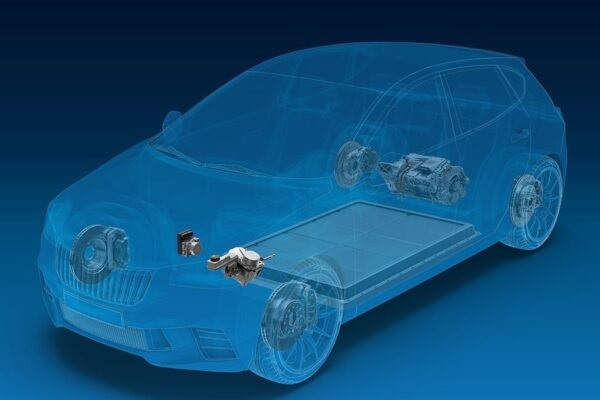
In addition to improving the efficiency of EVs, regenerative braking has several other benefits. One of the most significant benefits is that it reduces brake wear. Because regenerative braking uses the electric motor to slow down the vehicle, the brakes are used less frequently, which reduces the wear and tear on them. This means that the brakes last longer and require less maintenance.
Regenerative braking also improves the driving experience of EVs. Because regenerative braking provides a smoother and more controlled deceleration, it reduces the jerkiness that is often associated with conventional braking. This makes the driving experience more comfortable and enjoyable for the driver and passengers.
Conclusion
Regenerative braking is a highly effective technology that has the potential to significantly enhance the efficiency of EVs. By converting the kinetic energy of the vehicle into electrical energy, regenerative braking reduces the amount of energy that is wasted during braking, which improves the vehicle’s range and reduces the amount of energy that is needed to recharge the battery. In addition to these benefits, regenerative braking also reduces brake wear and improves the driving experience of EVs. As a result, regenerative braking is likely to play an increasingly important role in the development of more efficient and sustainable transportation systems in the future.
