

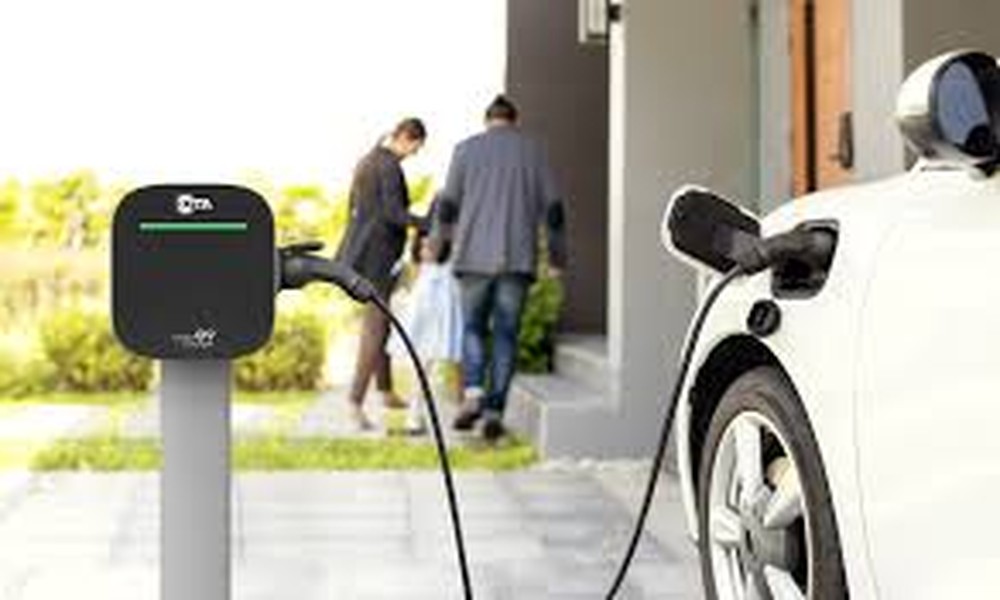
As electric vehicles (EVs) continue to gain momentum globally, the conversation is shifting from adoption to infrastructure. For businesses, this shift presents a timely opportunity to rethink how workplace facilities support evolving employee and operational needs.
One of the most practical ways to do this is by investing in workplace EV charging. What was once considered a niche amenity is quickly becoming a strategic addition for forward-looking companies.
The Growing Need for Workplace EV Charging Solutions
Employees typically spend 6-9 hours at work, making offices an ideal location for charging. By installing an EV charger for office use, companies can provide a reliable and accessible charging option without requiring additional travel or waiting time.
Beyond convenience, workplace charging also supports employees who may not have access to home charging, particularly in urban environments or shared housing setups.
Business Benefits Beyond Sustainability (ESG)
While sustainability is often the primary motivation, the benefits of Workplace EV charging extend well beyond environmental impact.
1. Employee Experience and Retention
Providing EV charging at the workplace demonstrates that a company is aligned with modern mobility trends. It adds tangible value to employee benefits and can improve satisfaction and retention, especially among environmentally conscious professionals.
2. Future-Ready Infrastructure
As EV adoption increases, demand for charging will follow. Installing an EV charger for office spaces today allows companies to stay ahead of this curve, avoiding rushed or reactive infrastructure decisions later.
3. Brand and ESG Positioning
Workplace charging contributes directly to corporate sustainability goals. It helps organizations showcase measurable actions toward reducing emissions, which is increasingly important for investors, partners, and customers.
Planning the Right Workplace Charging Setup
While the idea of installing chargers is straightforward, effective implementation requires planning.
Assessing Demand
Companies should evaluate how many employees currently use EVs and how that number is expected to grow. This helps determine the number and type of chargers required.
Choosing the Right Charger Type
Most workplaces benefit from AC chargers, which are suitable for longer parking durations. These chargers are cost-effective and align well with typical office hours.
Power and Infrastructure Readiness
It’s important to assess existing electrical capacity and ensure the system can support additional load. In some cases, load management systems may be required to optimize energy usage.
By addressing these factors early, businesses can create a scalable and efficient Workplace EV charging setup.
Why the Time to Invest Is Now
The window to gain a competitive edge with workplace charging is closing. Moving now shifts the strategy from a “premium perk” to a “standard expectation” while maximizing financial returns.
- Peak Financial Incentives: Current government grants (like PM E-DRIVE or WCS) and utility rebates are at their highest. These subsidies, which can cover up to 100% of costs, will likely decrease as EV adoption becomes mainstream.
- Avoiding the “Retrofit Tax”: Installing infrastructure during current facility cycles is significantly cheaper than breaking ground later. Early movers also secure existing building electrical capacity before the local grid hits its limit.
- Solving the “Charging Desert”: With many urban employees lacking home charging, providing it at work creates immediate employer stickiness.
- Regulatory Readiness: New building codes and commercial lease standards are increasingly mandating EV-ready parking. Investing now allows businesses to choose their hardware and pace rather than rushing to meet a mandatory deadline.
- Instant ESG Impact: Charging stations offer a “shovel-ready” way to improve EcoVadis or LEED scores, providing tangible data on carbon offsets for investors and B2B clients.
Conclusion
Workplace EV charging is quickly becoming an essential part of modern office infrastructure. By investing now, companies can support employee needs, align with sustainability goals, and prepare for a future where electric mobility is the norm.
As EV adoption continues to grow, businesses that act early will be better positioned to adapt, scale, and lead in a rapidly changing mobility landscape.
