

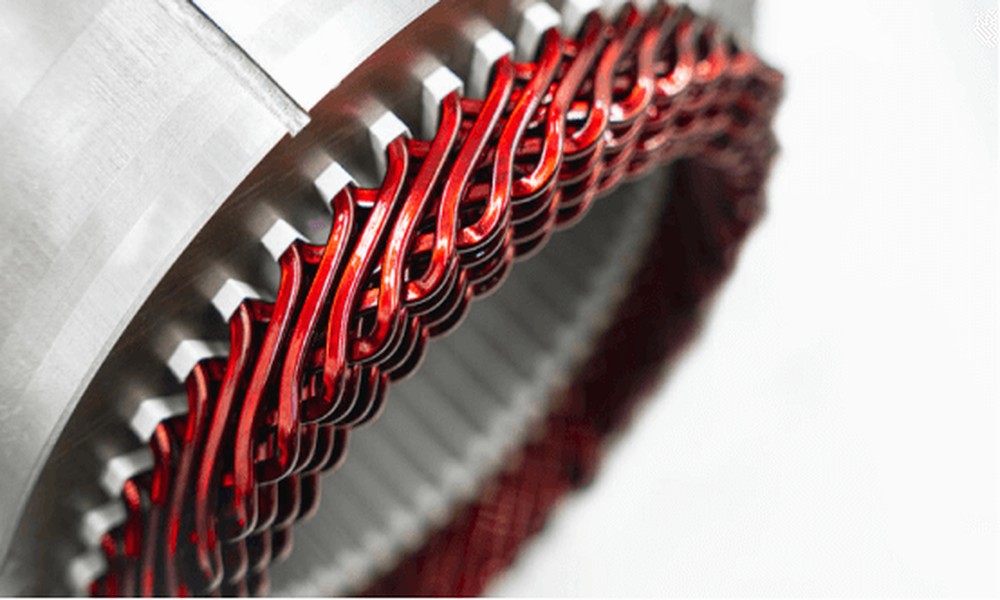
The electric vehicle industry is experiencing unprecedented growth as governments, manufacturers, and consumers embrace sustainable transportation solutions. As EV adoption accelerates worldwide, automakers are continuously seeking technologies that can improve vehicle efficiency, increase driving range, and enhance overall performance. One innovation that has gained significant attention in recent years is hairpin motor winding technology.
Modern electric vehicles require motors that deliver high power output while maintaining compact dimensions and exceptional energy efficiency. Traditional winding methods have served the industry for decades, but they often struggle to meet the demanding requirements of next-generation EV powertrains. This challenge has led manufacturers to adopt hairpin windings as a preferred solution for high-performance electric motors.
Today, many leading automotive companies are incorporating hairpin winding technology into their motor designs, making it one of the most important advancements in electric motor manufacturing.
The Shift Toward Advanced EV Motor Technologies
The success of an electric vehicle depends heavily on the performance of its electric motor. Unlike conventional internal combustion engines, EV motors must convert electrical energy into mechanical power with minimal losses.
As vehicle manufacturers compete to offer longer driving ranges and better performance, motor efficiency has become a critical factor. Even small improvements in efficiency can significantly impact battery usage and vehicle operating costs.
To achieve these goals, engineers have focused on developing advanced motor architectures that maximize power density while minimizing energy losses. Hairpin motor winding has emerged as a leading solution because it directly addresses many of the limitations associated with traditional winding methods.
The growing emphasis on efficiency and performance has accelerated the adoption of this technology across the automotive industry.
Understanding Hairpin Windings in EV Motors
Hairpin windings differ from conventional winding systems primarily in the shape of the conductors used inside the motor stator. Traditional motors typically rely on round copper wire, while hairpin winding technology uses rectangular copper conductors that are formed into hairpin-shaped structures.
These conductors are inserted into stator slots and then connected through precise twisting and welding processes. The rectangular design allows engineers to utilize available stator space more effectively, increasing copper density within the motor.
This improved copper utilization contributes to better electrical performance, lower resistance, and enhanced overall efficiency. Because EV motors demand high levels of performance, these advantages have made hairpin winding technology increasingly attractive to automotive manufacturers.
Higher Copper Utilization for Improved Efficiency
One of the most significant benefits of hairpin windings is their ability to maximize copper usage within the stator. In traditional winding systems, the circular shape of round wires creates small gaps that reduce the amount of conductive material that can fit inside the slots.
Hairpin conductors are designed to fit together more efficiently, resulting in a higher slot fill factor. More copper inside the stator means lower electrical resistance and improved current-carrying capability.
Reduced resistance translates directly into lower energy losses during motor operation. This allows electric vehicles to use battery power more efficiently, helping extend driving range and improve overall vehicle performance.
As automakers strive to maximize every kilowatt-hour of energy stored in the battery, this efficiency advantage becomes increasingly valuable.
Supporting Greater Power Density
Electric vehicle manufacturers face constant pressure to reduce vehicle weight while improving performance. Compact motor designs play a crucial role in achieving these objectives.
Hairpin motor winding enables greater power density by allowing more copper to occupy the available stator space. The increased conductor density helps generate higher torque and power output without increasing motor size.
This means manufacturers can develop smaller and lighter motors that still deliver exceptional performance. Improved power density also creates more flexibility for vehicle designers who must optimize space throughout the vehicle.
As EV platforms continue to evolve, compact high-performance motors will remain a key requirement, further driving the adoption of hairpin winding technology.
Enhanced Thermal Management for Demanding Conditions
Heat is one of the biggest challenges facing electric motor designers. High temperatures can reduce efficiency, impact reliability, and shorten component lifespan.
Hairpin windings contribute to better thermal performance by creating more efficient heat transfer pathways within the motor. The organized arrangement of rectangular conductors allows heat to dissipate more effectively compared to many traditional winding configurations.
Improved cooling enables EV motors to operate at higher power levels while maintaining safe operating temperatures. This capability is especially important during rapid acceleration, hill climbing, and high-speed driving conditions.
Enhanced thermal management not only improves performance but also supports long-term durability and reliability.
Enabling Large-Scale Automated Production
Modern automotive manufacturing relies heavily on automation to ensure consistent quality and high production volumes. Hairpin winding technology is particularly well suited to automated production environments.
The structured design of hairpin conductors allows advanced machinery to perform forming, insertion, and welding operations with exceptional precision. Automated processes help maintain tight manufacturing tolerances while reducing the likelihood of human error.
For EV manufacturers producing hundreds of thousands of vehicles annually, this consistency is essential. Automated hairpin winding systems also improve production efficiency, helping manufacturers meet growing global demand for electric vehicles.
As EV production continues to expand, the compatibility of hairpin winding with advanced manufacturing systems will remain a significant advantage.
Improving Motor Reliability and Longevity
Reliability is a major concern for electric vehicle manufacturers and consumers alike. Motors must perform consistently over many years of operation while requiring minimal maintenance.
Hairpin windings contribute to improved reliability through better thermal management and more robust conductor configurations. Lower operating temperatures reduce stress on insulation materials and electrical connections.
The precise manufacturing processes used in hairpin winding production also help ensure consistent quality and long-term durability. These characteristics make hairpin-wound motors particularly well suited for the demanding operating conditions encountered in electric vehicles.
As consumers increasingly expect EVs to match or exceed the reliability of conventional vehicles, advanced motor technologies become even more important.
Industry Adoption Continues to Accelerate
Many of the world’s leading automotive manufacturers have already embraced hairpin winding technology in their electric vehicle platforms. The technology is commonly found in passenger cars, commercial vehicles, and performance-oriented EV models.
As competition within the EV market intensifies, manufacturers are continuously searching for ways to improve efficiency and differentiate their products. Hairpin windings offer a proven method for achieving meaningful performance improvements.
The growing availability of specialized manufacturing equipment and production expertise has also made implementation more practical for a wider range of companies.
These factors are contributing to the rapid expansion of hairpin winding adoption throughout the global automotive industry.
Future Innovations in Hairpin Motor Winding
Although hairpin winding technology is already highly advanced, ongoing research and development efforts continue to drive improvements.
Manufacturers are exploring new conductor materials, enhanced welding processes, and more sophisticated cooling strategies. Artificial intelligence and smart manufacturing technologies are also being integrated into production systems to improve quality control and operational efficiency.
Future innovations may further increase power density, reduce production costs, and enhance motor performance. As EV technology continues to evolve, hairpin winding is expected to remain a central focus of motor development efforts.
The continued refinement of this technology will help support the next generation of electric mobility solutions.
Conclusion
The rapid growth of the electric vehicle industry has created a strong demand for efficient, compact, and reliable motor technologies. Hairpin windings have emerged as a leading solution because they offer significant advantages in efficiency, power density, thermal management, and manufacturing consistency.
By enabling better copper utilization and supporting automated production processes, hairpin motor winding technology helps manufacturers meet the demanding requirements of modern EV powertrains. These benefits have driven widespread adoption across the automotive sector and established hairpin winding as an industry standard for high-performance electric motors.
As electric vehicles continue to gain market share worldwide, the importance of hairpin winding technology will only increase, helping shape the future of sustainable transportation and advanced motor engineering.
