

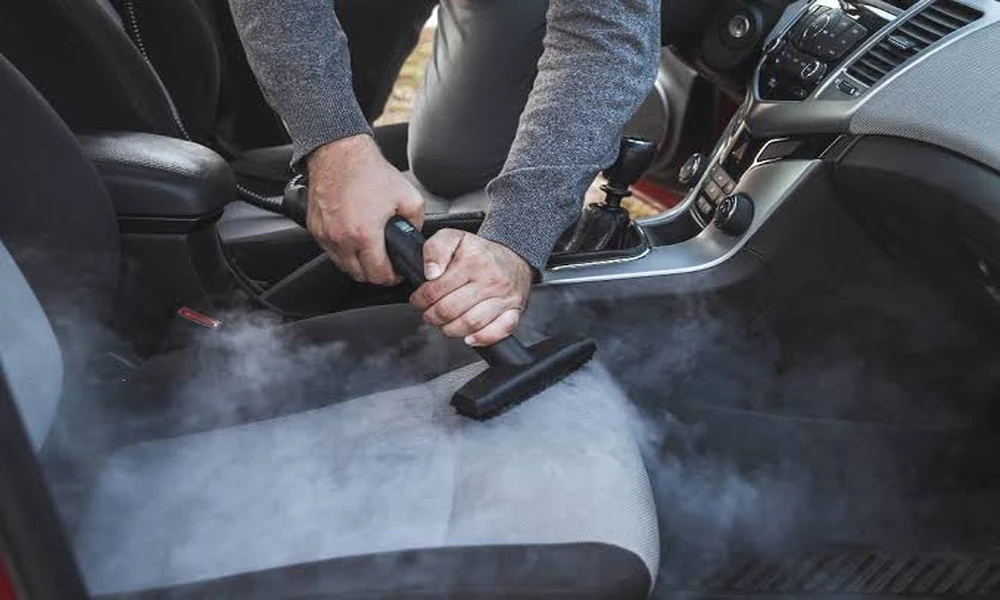
A coffee spill on the way to work. A melted crayon left behind by a toddler. Mud tracked in after a weekend hike. Car seat stains are one of those small annoyances that seem to appear overnight and then linger for months if they’re handled the wrong way. The good news is that most fresh stains can be managed at home with a bit of patience and the right technique. The trickier ones – set-in grease, old blood, mystery odors – are usually a sign that it’s time to bring in someone who does this for a living.
This guide walks through the practical steps for treating common car seat stains, the mistakes that make stains worse, and the point at which a DIY approach stops being worth the risk.
Why Car Seat Stains Are Different from Household Stains
Car upholstery isn’t the same as a couch or a carpet at home. Seats are exposed to constant temperature swings, direct sunlight, and years of body oils, which changes how a stain behaves once it sets in. Heat from a parked car can bake a stain into the fibers within hours, while UV exposure can alter the color of both the stain and the fabric around it. This is part of why a spill that would wipe away easily on a kitchen counter can turn into a stubborn patch on a car seat if it’s left untreated over a hot weekend.
Fabric type matters too. Cloth seats are porous and tend to absorb liquids quickly, which means speed is the most important factor. Leather and vinyl are less absorbent but more sensitive to certain cleaning agents, so a product that works well on cloth can sometimes discolor or dry out leather.
Identify the Stain Before You Treat It
Not all stains respond to the same cleaning approach, and using the wrong method can set a stain rather than lift it. It helps to think in terms of two broad categories:
- Organic stains – food, drinks, grass, blood, sweat, and similar biological residues. These often respond well to mild soap, cold water, and enzyme-based cleaners.
- Oil-based stains – grease, makeup, ink, and some food residues with high fat content. These usually need a degreasing agent or a small amount of rubbing alcohol rather than plain soap and water.
Taking a moment to identify which category a stain falls into can save a lot of frustration later, since applying heat or the wrong cleaner to an oil-based stain often spreads it instead of removing it.
Basic Supplies for At-Home Stain Removal
Most car seat stains can be addressed with items already found in a household cleaning cabinet:
- A microfiber cloth or clean white towel
- Mild dish soap or upholstery-safe cleaner
- White vinegar (diluted with water)
- Baking soda for odor and grease absorption
- A soft-bristle brush for fabric seats
- Cold water – hot water can set protein-based stains like blood
Avoid colored towels or sponges, since dye transfer onto light-colored upholstery is a common and preventable mistake.
Step-by-Step: Treating Fresh Stains
- Blot, don’t rub. Rubbing pushes the stain deeper into the fibers and can fray the fabric weave. Blotting from the outside edge of the stain inward helps contain it.
- Test any cleaner on a hidden area first, such as under the seat or along a seam, to check for discoloration.
- Apply a small amount of diluted soap or vinegar solution and let it sit for a minute or two before blotting again.
- Rinse with a clean, damp cloth to remove any soap residue, which can attract more dirt if left behind.
- Let the seat air dry with the windows cracked. Avoid direct sun or a seat heater, since trapped moisture combined with heat can lead to mildew growth.
For tougher residues like ink or grease, a small amount of isopropyl alcohol on a cloth – applied sparingly – can help break down the stain before the soap-and-water step.
Common Stains and What Tends to Work
Coffee and soda: Blot excess liquid immediately, then treat with a vinegar-water mix. Sugary drinks can leave a sticky residue even after the color lifts, so a second rinse is often necessary.
Grease and fast food residue: Sprinkle baking soda over the area to absorb oil before wiping, then follow with a mild degreaser.
Blood: Cold water only – heat causes blood proteins to bind to fabric fibers, making the stain far harder to remove.
Mud and dirt: Let it dry completely first, then vacuum before applying any liquid. Treating wet mud usually just spreads it deeper into the seat.
Ink: Alcohol-based treatment works best, applied gently rather than scrubbed, since ink can smear across a wider area if agitated.
For readers who want a broader reference on stain chemistry and general removal principles, university extension programs like the Iowa State University Extension and Outreach publish research-backed guidance that applies well beyond household laundry, including general fabric care principles useful for upholstery.
What Not to Do
A few habits tend to make stains worse rather than better:
- Using hot water on protein-based stains (blood, dairy, egg)
- Scrubbing aggressively, which can wear down fabric or leather finish
- Mixing cleaning chemicals, particularly bleach with ammonia-based products, which can create hazardous fumes
- Oversaturating cloth seats, which can lead to mold growth in the padding underneath
- Leaving windows closed while a treated seat dries
If there’s uncertainty about whether a cleaning product is safe for automotive interiors, the EPA’s Safer Choice program maintains a list of vetted, lower-toxicity household cleaners that are generally safer to use in an enclosed vehicle cabin.
When a Stain Needs More Than a DIY Fix
Some stains and situations go beyond what a cloth and a spray bottle can handle. It’s usually time to call in professional help when:
- The stain has been sitting for weeks or months and has already set into the fabric or foam padding
- There’s a persistent odor even after cleaning, which often means the padding underneath has absorbed liquid
- The stain covers leather or suede seating, where the wrong product can permanently damage the material
- Multiple stains and general grime have built up over time, making spot treatment inefficient compared to a full interior clean
- The vehicle is being prepared for resale or trade-in, where appearance directly affects value
This is also where the difference between surface cleaning and deep extraction becomes clear. Home methods generally clean the top layer of the fabric, while professional equipment uses hot water extraction to pull residue and moisture out from deep within the cushion, which is often necessary for anything involving pet accidents, mold, or long-set stains.
What a Professional Detailer Actually Does Differently
A trained detailer isn’t just using a stronger version of the same products found at a grocery store. Professional interior work typically involves pH-balanced cleaners matched to specific fabric types, steam or hot-water extraction to lift embedded residue, and specialized treatments for odor neutralization rather than masking. Leather seats, in particular, often require conditioning after cleaning to prevent cracking – a step that’s easy to skip at home but important for long-term durability.
For anyone dealing with recurring stains, deep-set odors, or upholstery that’s simply seen years of daily use, an interior detailing service can assess the material and choose a treatment method suited to it, rather than applying a one-size-fits-all approach that risks further damage.
A Practical Approach to Car Seat Care
Most stains are manageable with quick action, the right cleaning agent, and a little patience. The real skill is knowing which stains fall into that category and which ones are better left to someone with the right tools and experience. Acting fast on a fresh spill, avoiding heat and aggressive scrubbing, and testing products before full application will handle the majority of everyday messes.
For the stains that don’t respond to home treatment – or for interiors that need a more thorough refresh – teams like Vision Mobile Detailing work directly with vehicle owners to assess upholstery condition and recommend a cleaning approach that fits the material, the age of the stain, and the overall state of the interior.
Knowing when to reach for a cloth and when to reach for the phone is really the difference between keeping a car’s interior looking cared for and letting small stains turn into permanent ones.
