

Electric vehicles (EVs) are becoming increasingly popular as people are becoming more conscious of their impact on the environment. However, there is more to EVs than just being a greener alternative to gasoline-powered cars. The concept of vehicle-to-grid (V2G) is gaining momentum, and it has the potential to revolutionize the way we use and distribute electricity.
What is Vehicle-to-Grid?
Vehicle-to-grid (V2G) is a technology that allows EVs to not only draw power from the grid but also to supply electricity back to the grid. In other words, your EV can act as a mobile power source that can be used to power your home or business or even sell electricity back to the grid.
The idea behind V2G is to create a more efficient and sustainable energy system. EVs are often charged during off-peak hours when there is excess capacity in the grid. V2G allows EVs to be charged during these off-peak hours and then supply power back to the grid during peak hours when demand is high.
How Does V2G Work?
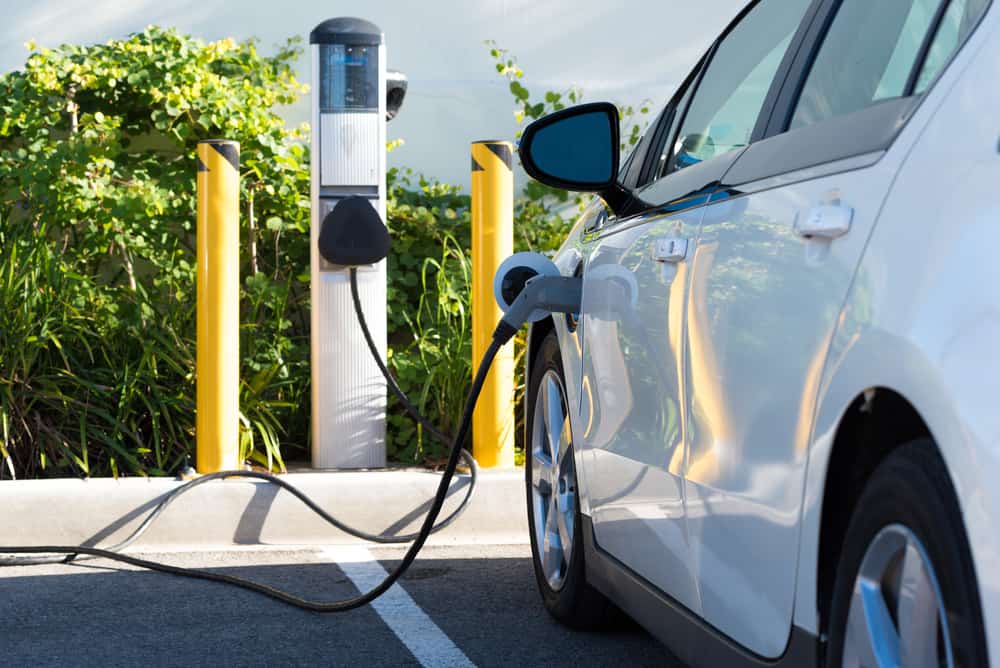
V2G technology works by using a bidirectional charger that allows the EV to both charge from and discharge to the grid. The charger communicates with the grid to determine when it is best to charge the vehicle and when to discharge power back to the grid.
When the EV is plugged into the charger, it can be set to charge to a certain level and then discharge to the grid when needed. The vehicle owner can set preferences for how much power the vehicle should discharge and when it should discharge. The vehicle owner can also set preferences for how much they want to be paid for the power that is discharged back to the grid.
The Benefits of V2G
V2G has many benefits that make it an attractive technology for both EV owners and the grid operators. Here are some of the benefits:
- Reduced Energy Costs: V2G technology allows EV owners to sell excess power back to the grid, which can reduce their energy costs.
- Increased Grid Stability: V2G can help increase the stability of the grid by providing a source of power during peak demand periods.
- Reduced Carbon Emissions: V2G can help reduce carbon emissions by allowing EVs to act as a cleaner source of power.
- Increased Use of Renewable Energy: V2G can help increase the use of renewable energy sources by allowing EVs to store excess energy generated by renewable sources and then use that energy during peak demand periods.
The Challenges of V2G
While V2G technology has many benefits, there are also some challenges that need to be addressed. Some of the challenges include:
- Battery Degradation: V2G can cause battery degradation, which can reduce the life of the battery. This can lead to higher costs for EV owners.
- Regulatory Challenges: V2G is a new technology, and there are regulatory challenges that need to be addressed to ensure that it is safe and beneficial for all parties involved.
- Infrastructure Requirements: V2G requires additional infrastructure, such as bidirectional chargers, to be installed. This can be costly for both EV owners and grid operators.
Conclusion
Vehicle-to-grid (V2G) technology has the potential to revolutionize the way we use and distribute electricity. It allows EVs to act as mobile power sources that can reduce energy costs, increase grid stability, reduce carbon emissions, and increase the use of renewable energy. However, there are also challenges that need to be addressed to ensure that V2G is safe and beneficial for all parties involved.
