

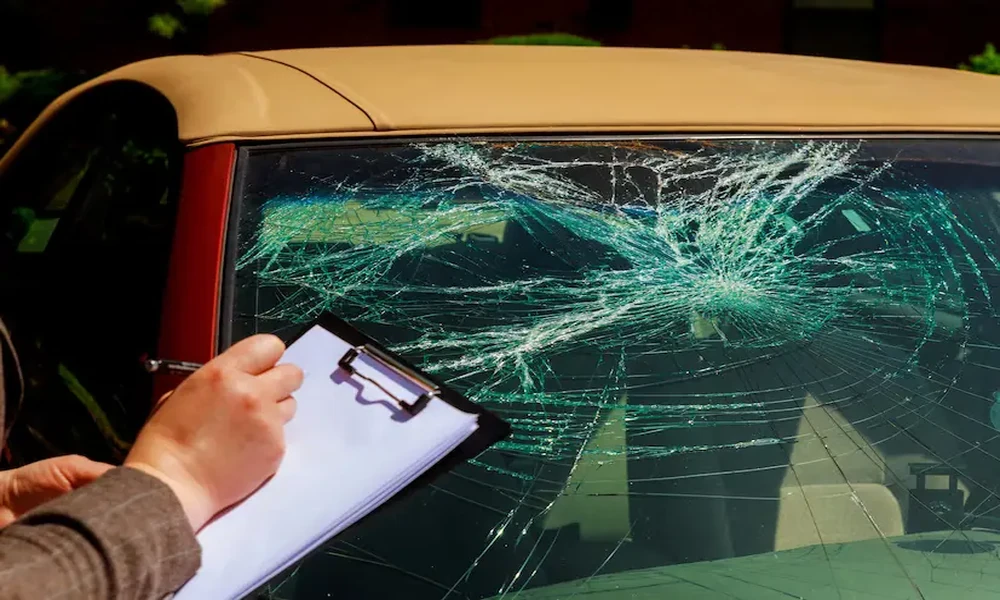
Windshield damage can happen unexpectedly, whether a vehicle is travelling on a busy road or parked outdoors. Chips, cracks, and impact marks can affect visibility and may become more serious if they are left untreated. When arranging windshield replacement Jacksonville, drivers can benefit from understanding how to respond to damage, assess its severity, prepare for professional service, and check the vehicle after replacement.
Common Causes of Windshield Damage
Road debris is one of the most frequent causes of windshield damage. Small stones, gravel, and other objects can be thrown into the air by passing vehicles and strike the glass with enough force to create chips or cracks. Sudden temperature changes can also place stress on existing damage.
Weather conditions may contribute as well. Hail, strong winds, and extreme heat can affect damaged glass, while accidents and collisions can cause more extensive breaks. Even minor impacts should be observed carefully because damage can change over time.
When a Small Chip Can Become a Larger Problem
A small chip may appear harmless, but temperature fluctuations, vibrations, and additional impacts can cause cracks to spread. Using the vehicle regularly can place repeated stress on already weakened glass.
The location of a chip also matters. Damage near the edge of the windshield can spread more easily because of the stresses around the frame. Chips within the driver’s main field of vision can also create visibility concerns, particularly when sunlight or headlights reflect across the damaged area.
Assessing the Severity of Cracks and Damage
Drivers should examine the size, location, and pattern of windshield damage without attempting to repair it themselves. A professional inspection can determine whether the glass can be repaired or whether replacement is more appropriate.
Small, shallow chips may be suitable for repair in some circumstances. Long cracks, multiple areas of damage, cracks reaching the edge, or damage that interferes with visibility may require replacement. A timely assessment can help prevent a minor problem from becoming more extensive.
Preparing for Professional Glass Service
Before service begins, drivers should provide relevant information about the vehicle and explain where the damage occurred. Clearing personal belongings from the dashboard and front seats can provide technicians with easier access to the windshield and surrounding components.
It is also useful to discuss any special features connected to the glass. Some vehicles have cameras, sensors, heating elements, or rain-detection equipment around the windshield, which may require additional attention during service.
What to Expect During Replacement
During replacement, the damaged windshield is carefully removed while technicians take precautions around the vehicle’s frame and interior. The surrounding area may then be inspected and prepared before the new glass is positioned.
Replacement glass should match the vehicle’s specifications and be fitted accurately. Adhesive and sealing materials help secure the glass and create a proper barrier against water and air. The installation process also requires appropriate curing time before the vehicle is ready for normal use.
Steps to Take After New Glass Is Installed
After installation, drivers should check the windshield for clear visibility and look for obvious gaps, uneven positioning, or other concerns. The recommended curing period should be followed before driving, according to the installation requirements.
If the vehicle uses cameras or sensors mounted near the windshield, drivers should confirm whether calibration is required. Paying attention to these details helps ensure the new glass and related vehicle systems are ready to support safe driving.
Keeping Windshield Damage Under Control
Responding promptly to chips and cracks gives drivers an opportunity to address damage before it becomes more difficult to manage. Professional assessment, appropriate preparation, accurate installation, and careful post-service checks can all help maintain clear visibility and dependable vehicle protection.
