

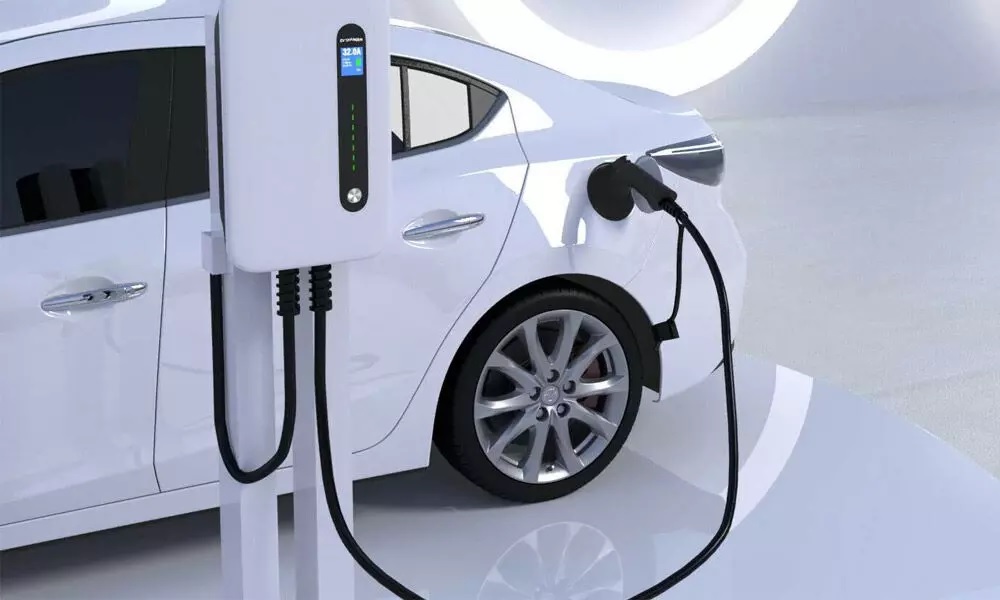
Electric vehicles (EVs) have been gaining popularity in recent years as a cleaner and more sustainable alternative to conventional cars that run on gasoline or diesel. But how much of a difference do they really make when it comes to reducing their environmental footprint?
Greenhouse Gas Emissions

The most significant environmental impact of cars is their contribution to greenhouse gas (GHG) emissions, which are responsible for climate change. EVs produce significantly fewer GHG emissions than conventional cars, especially if the electricity used to power them comes from renewable sources such as wind or solar power.
According to the US Department of Energy, the average gasoline-powered car emits about 4.6 metric tons of carbon dioxide (CO2) per year, while the average EV emits only about 2.5 metric tons of CO2 per year. However, this depends on the source of electricity used to recharge the EV, and in some cases, the emissions from the production of electricity can outweigh the emissions from the EV itself.
Energy Efficiency
EVs are also more energy-efficient than conventional cars, as they convert more of their energy into motion. The efficiency of EVs is usually measured in miles per gallon equivalent (MPGe), which takes into account the amount of energy used to produce the electricity that powers the EV.
According to the EPA, the most energy-efficient EVs can achieve up to 140 MPGe, while the most efficient gasoline-powered cars only achieve around 50 MPG. This means that EVs use less energy overall, reducing their impact on the environment.
Production and Disposal
While EVs have a smaller environmental footprint during their operation, the production and disposal of EVs can have a significant impact on the environment. The production of EV batteries, for example, requires the mining of rare metals such as lithium and cobalt, which can have negative environmental and social impacts.
Additionally, the disposal of EV batteries can be challenging, as they contain toxic chemicals that can harm the environment if not disposed of properly. However, recycling programs are being developed to recover valuable materials from used EV batteries, reducing their impact on the environment.
Conclusion
Overall, EVs have a smaller environmental footprint than conventional cars when it comes to greenhouse gas emissions and energy efficiency. However, the production and disposal of EVs can have negative environmental impacts that must be addressed. As the technology and infrastructure for EVs continue to improve, they have the potential to become an even cleaner and more sustainable mode of transportation.
