

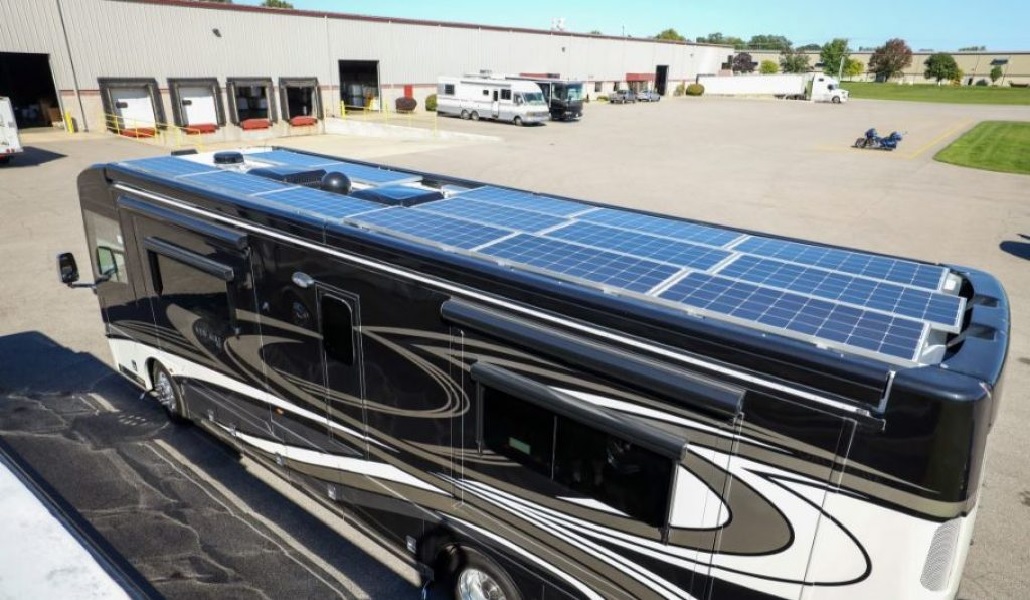
RV solar systems are a popular choice among camping enthusiasts who want to enjoy off-grid adventures without relying on traditional sources of power. However, these systems can be complex and confusing, especially for beginners. In this article, we will explore the intricacies of RV solar systems and help you understand how they work.
Components of an RV Solar System
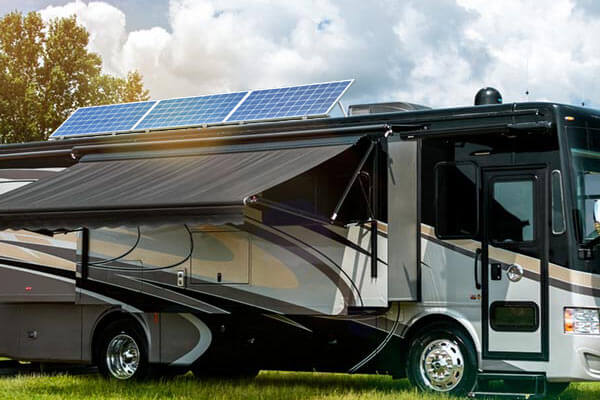
An RV solar system consists of several components that work together to generate and store power. These components include:
- Solar panels
- Charge controller
- Battery bank
- Inverter
Solar panels are the most prominent component of an RV solar system. They are responsible for converting sunlight into electrical energy, which is then stored in the battery bank. The charge controller regulates the amount of power flowing into the battery bank, preventing overcharging and damage to the batteries. The battery bank stores the generated power and provides a steady stream of electricity to the inverter. The inverter converts the DC power stored in the battery bank into AC power, which can be used to power appliances and devices in the RV.
Calculating Your Power Needs
Before installing an RV solar system, it is important to calculate your power needs. This will help you determine the size and type of solar system required to meet your energy needs. Factors such as the number of appliances and devices you plan to use, the amount of time you will spend off-grid, and the location of your camping site can all affect your power needs.
To calculate your power needs, start by making a list of all the appliances and devices that you plan to use during your trip. This may include lights, fans, refrigerators, and other electronics. Next, determine the power consumption of each device in watts. You can usually find this information on the device itself or in the owner’s manual. Multiply the wattage of each device by the number of hours you plan to use it per day. This will give you the total watt-hours required per day.
For example, if you plan to use a 100-watt refrigerator for 8 hours per day, you will need 800 watt-hours per day (100 watts x 8 hours = 800 watt-hours).
Choosing the Right Solar System
Once you have calculated your power needs, you can choose the right RV solar system to meet your requirements. There are several factors to consider when choosing a solar system, including:
- The size and type of solar panels
- The capacity and voltage of the battery bank
- The wattage and type of inverter
- The type of charge controller
It is important to choose a solar system that is capable of meeting your power needs without exceeding the weight and space limitations of your RV. You may also want to consider the climate and weather conditions of your camping site, as these can affect the efficiency of your solar panels.
Conclusion
RV solar systems are an excellent way to enjoy off-grid adventures without sacrificing the comforts of home. Understanding the complexities of these systems can help you choose the right components and ensure that your RV is powered efficiently and effectively. By calculating your power needs and choosing the right solar system, you can enjoy the freedom and flexibility of off-grid camping without worrying about running out of power.
