

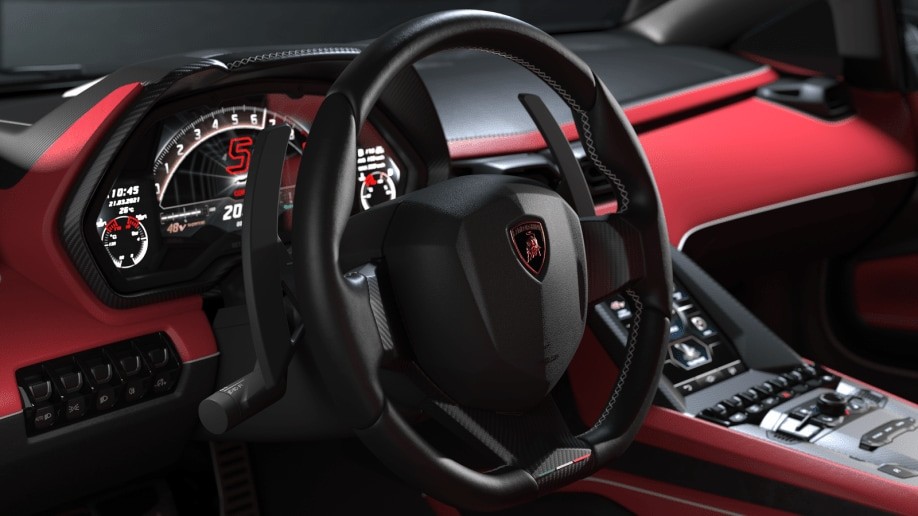
Steering wheel tilt and telescopic adjustments improve driving comfort. These features allow drivers to change the wheel’s angle and distance. Proper functioning of these mechanisms is essential for safe and comfortable driving. Over time adjustment parts can wear or jam. This reduces the ability to customize the wheel position. Service centers offer various tiers of checks and repairs. These tiers help clients understand how the service progresses and what to expect.
Basic Functionality Inspection
The first service tier focuses on basic inspection. Technicians check if the steering wheel moves smoothly up and down. They also test the telescopic movement forward and backward. This step detects obvious faults such as stiffness or complete lock failure. At this stage, minor lubrication or cleaning might restore functionality. Basic inspection is ideal for drivers noticing difficulty in adjusting the wheel. It ensures the adjustment system works without complex repairs.
Mechanical Component Examination
The second tier involves a detailed examination of mechanical parts. Technicians inspect levers, locks, and hinges that enable tilt and telescopic action. They look for worn or broken parts that may cause loose or stuck movement. If any components show signs of damage technicians recommend repairs or replacements. This tier also includes tightening loose fittings that affect adjustment stability. Mechanical checks are vital for maintaining safe wheel positioning during driving. This level suits vehicles with inconsistent or wobbly steering adjustment. Hiring the European Auto Repair in Overland Park, KS based service would be helpful here.
Adjustment Motor and Switch Testing
The third tier applies to vehicles with power adjustment features. Many modern cars use electric motors to move the steering wheel. Technicians test the motors and switches controlling tilt and telescopic movement. They check wiring and connectors for faults that reduce responsiveness. Power adjustment problems make wheel positioning difficult or impossible. This tier targets power adjustment failure or slow movement complaints. Repair or replacement of electrical parts restores smooth automatic adjustment.
Calibration and Sensor Alignment
The fourth tier addresses calibration and sensor alignment. Advanced steering systems have sensors that detect wheel position. These sensors communicate with vehicle control modules for safety systems. Misaligned sensors cause incorrect position reading or warning lights. Technicians recalibrate sensors to match actual wheel position. This service tier prevents system errors and improves driver assistance accuracy. It is essential for cars with integrated steering safety features.
Complete System Overhaul
The highest service tier offers a full system overhaul. This includes replacing all worn mechanical and electrical components. Technicians also upgrade parts if better versions exist. Overhaul ensures the steering adjustment works like new. This tier is for vehicles with major wear or damage. It restores reliable and precise tilt and telescopic control. Full system service benefits drivers seeking maximum comfort and safety.
Steering wheel tilt and telescopic adjustments enhance driver comfort. Basic inspection identifies simple faults affecting adjustment smoothness. Mechanical examination repairs worn parts that reduce stability. Power adjustment testing restores electric motor function and switch reliability. Calibration aligns sensors for proper communication with vehicle controls. Complete overhaul replaces all failing parts to renew adjustment precision. Service tiers guide clients through increasing levels of care. Regular professional checks keep steering adjustments reliable and safe. This supports a comfortable and controlled driving experience every time.
