

Why Car Shipping Quotes Can Vary
When you begin researching auto transport, one of the first things you will notice is that car shipping quotes are rarely static. Unlike buying a fixed-price retail product, auto transport pricing is calculated using a dynamic combination of several real-time variables rather than one fixed rate.
It is important to understand the difference between an initial estimate and your final transportation cost. An initial quote reflects market conditions, route specifics, and vehicle details provided at the time of inquiry. However, if any underlying details change-or if initial details were imprecise-the final price can adjust accordingly.
This explains why two customers shipping similar vehicles across similar distances might receive vastly different quotes. Factors such as exact pickup accessibility, vehicle modifications, seasonal demand spikes, and carrier availability all play pivotal roles in shaping the rate.
Providing complete and accurate vehicle and shipment details from the very beginning is the single best way to ensure your quote remains accurate. Reputable auto transport companies believe in full transparency and should always clearly explain the specific pricing factors behind your quote so you know exactly what you are paying for.
1. Distance and Shipping Route
The overall mileage between your pickup and delivery locations is a foundational element of any vehicle shipping calculation. Naturally, longer routes require more fuel, driver hours, and toll fees, making cross-country transport cost more overall than short regional moves. However, per-mile rates often decrease on longer routes compared to short-distance hauls.
Pricing is also heavily dictated by carrier availability along specific corridors. High-traffic interstate routes (such as shipping along I-95 on the East Coast or I-10 across the South) generally offer lower per-mile rates because carriers travel these lanes constantly. Conversely, shipping to or from remote, rural, or less-traveled locations often increases costs because a carrier must deviate from main transport routes, consuming extra time and fuel.
Additionally, pickup and delivery accessibility matters. Narrow residential streets, low-hanging trees, or strict municipal restrictions may prevent a full-sized multi-car carrier from reaching your front door, requiring alternative meeting points or local shuttle arrangements.
Why Route Demand Matters
Auto transport operates on continuous supply and demand:
- Supply and Demand Dynamics: High carrier availability along popular shipping corridors keeps rates competitive, while limited carrier capacity on obscure routes drives prices up.
- Metropolitan vs. Remote: Major metropolitan hubs benefit from frequent carrier departures and competitive pricing, whereas remote locations require extra incentives to attract a carrier.
- Route Popularity: Highly requested lanes allow drivers to maintain full loads in both directions, lowering costs for individual shippers.
2. Vehicle Size, Weight, and Dimensions
A vehicle’s size and physical footprint directly impact how much it costs to transport. Auto carriers operate under strict federal gross vehicle weight ratings (GVWR) and physical clearance limits.
Larger and heavier vehicles-such as full-size SUVs, heavy-duty pickup trucks, passenger vans, and oversized commercial vehicles-consume a larger share of the truck’s physical space and available payload capacity. Because a carrier can fit fewer heavy or bulky vehicles on a single trailer, individual rates for these vehicles are naturally higher than for compact sedans.
Modifications like lift kits, roof racks, extended beds, or aftermarket bumpers also alter a vehicle’s dimensions. Sharing precise vehicle specifications early helps produce a reliable, lock-in quote without last-minute price adjustments at pickup.
Vehicles That May Cost More to Ship
- Large or three-row SUVs
- Full-size and heavy-duty pickup trucks
- Cargo and passenger vans
- Oversized, lifted, or heavily modified vehicles
- Dually trucks and vehicles with unusual dimensions
3. Vehicle Type and Condition
A vehicle’s operating condition significantly dictates the equipment, labor, and time required for loading and unloading.
Carriers distinguish between running and non-running (inoperable) vehicles:
- Running Vehicles: A running vehicle can start, drive, steer, and brake reliably under its own power, allowing the driver to easily drive it onto and off the trailer.
- Non-Running Vehicles: Inoperable vehicles cannot be driven onto the carrier. Loading a non-running car requires specialized equipment such as winches, dollies, or forklifts, alongside additional manual labor and heightened safety protocols.
Because inoperable vehicles require specialized transport trailers and increase loading time, carriers charge an extra handling fee for non-running cars. Customers should always disclose any mechanical, steering, or braking issues prior to booking to avoid driver refusal or unexpected fee additions at pickup.
Running vs. Non-Running Vehicles
- Running Definition: Capable of starting, steering, accelerating, and stopping safely without assistance.
- Inoperable Handling: Requires winches, extra tie-downs, and careful manual positioning to load and unload safely.
- Specialized Carriers: Not all car carriers carry winches; booking an inoperable vehicle requires dispatching a properly equipped trailer.
4. Open vs. Enclosed Car Transport
Choosing between open and enclosed auto transport is one of the primary decisions affecting your overall cost.
| Feature | Open Auto Transport | Enclosed Auto Transport |
|---|---|---|
| Carrier Type | Open-air multi-car trailer | Fully covered structure trailer |
| Weather Protection | Exposed to rain, dust, and debris | Complete protection from elements |
| Average Cost | Standard baseline rate | 40% – 60% higher than open transport |
| Availability | High availability (90%+ of carriers) | Specialized fleet (limited capacity) |
| Best Suited For | Daily drivers, standard vehicles | Classics, exotics, high-value cars |
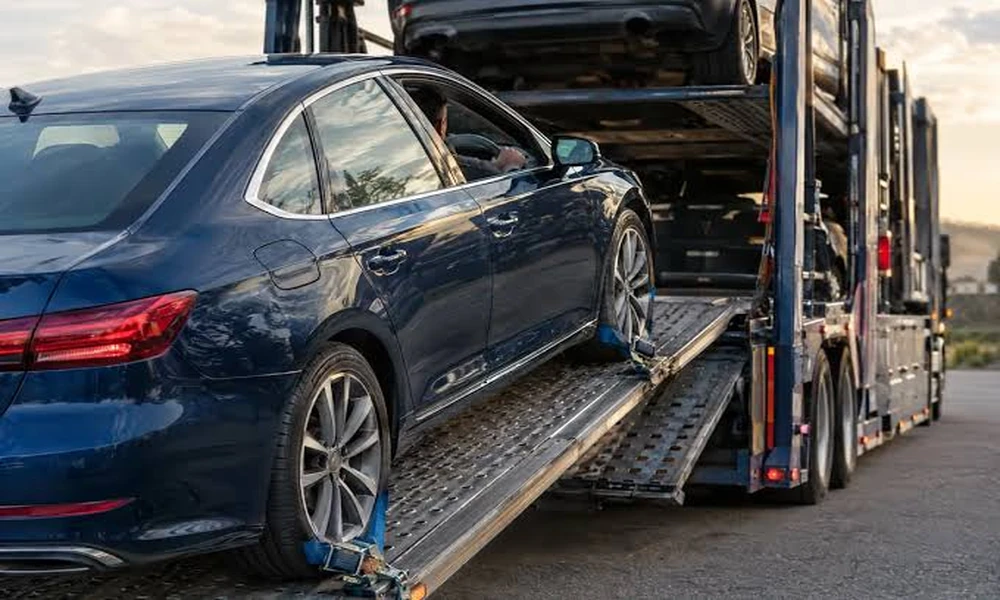
Open car transport is the industry standard and the most cost-effective option. Your vehicle is safely secured on a double-deck trailer exposed to outdoor elements, much like driving it on the highway. Enclosed car transport places your vehicle inside a fully covered trailer, providing premium protection against weather, road debris, dirt, and ambient elements.
Enclosed transport generally costs 40% to 60% more due to lower trailer capacity, specialized hydraulic liftgates, and higher insurance coverage limits. While not necessary for everyday daily drivers, enclosed shipping provides essential peace of mind for high-value assets.
When Enclosed Transport May Be Worth the Extra Cost
- Vintage and classic restoration cars
- High-end luxury sedans and sports cars
- Rare collector and auction vehicles
- Exotic or ultra-high-value supercars
- Vehicles with custom paint finishes or low ground clearance
5. Pickup and Delivery Locations
The specific origin and destination points provided in your quote request directly influence carrier routing efficiency and pricing.
Auto transport trucks can span up to 80 feet in length and weigh up to 80,000 pounds. Navigating tight residential streets, cul-de-sacs, low overpasses, or areas with strict commercial vehicle bans poses major challenges.
- Urban Locations: Easily accessible via major highways, though heavy traffic and parking restrictions can pose challenges.
- Suburban Locations: Typically ideal, offering wide roads and easy access near major corridors.
- Rural Locations: May require carriers to travel many miles off their primary route, increasing time and fuel expenditures.
When door-to-door delivery isn’t physically possible due to road restrictions, shippers can arrange to meet the driver at a nearby open terminal, commercial parking lot, or wide highway staging area to keep costs down. Providing accurate addresses or ZIP codes ensures your quote accounts for precise route accessibility.
6. Seasonal Demand and Timing
Auto transport rates fluctuate throughout the year based on seasonal travel, weather conditions, and moving patterns across the country.
The summer months (May through August) mark the peak moving season, leading to high carrier demand and elevated rates across almost all routes. Winter months bring unique regional volume shifts, most notably during “snowbird season.”
Flexibility with your shipping timeline allows transport coordinators to match your vehicle with optimal carrier schedules, often securing lower rates compared to rigid delivery windows.
How Snowbird Season Can Affect Pricing
- Seasonal Volume Surge: Thousands of retirees and seasonal residents move vehicles south to states like Florida, Arizona, and Texas in the late autumn, returning north in late spring.
- Unbalanced Lane Capacity: High demand for south-bound trailers in the fall creates intense carrier competition, raising northbound travel efficiency while shifting south-bound rates.
- Strategic Planning: Booking seasonal routes weeks in advance ensures locked-in capacity during peak migration periods.
7. Pickup and Delivery Speed
How quickly you need your vehicle collected and delivered plays a significant role in your final price tag.
- Standard Shipping: Gives carriers a flexible 3-to-5-day window for pickup, allowing brokers and dispatchers to optimize trailer schedules efficiently for the best available rate.
- Expedited Shipping: Prioritizes your shipment to secure a carrier on short notice or within a narrow, guaranteed pickup window.
Last-minute or urgent shipping requests limit carrier options, requiring dispatchers to offer higher rates to entice drivers to re-route their trailers or prioritize a specific load. Communicating realistic, flexible timeline expectations helps secure standard, budget-friendly rates.
8. Transport Availability and Carrier Capacity
The fundamental law of supply and demand heavily dictates real-time auto transport pricing. Carrier capacity on any given route varies based on trailer availability, driver schedules, and local load volume.
If a particular shipping corridor has an abundance of vehicles waiting for transport but few active trailers, shipping prices rise as customers compete for available rack space. Conversely, if multiple carriers are traveling along a lane with empty spots on their trailers, rates become far more competitive.
Because pricing shifts alongside live market conditions, requesting a quote early allows transport specialists to monitor capacity trends and lock in favorable rates before seasonal or local shortages occur.
9. Fuel Prices and Operating Costs
Fuel is one of the single largest ongoing operational expenses for auto carriers. Because heavy haulers burn significant diesel fuel navigating cross-country routes, national fuel price shifts directly ripple through vehicle shipping rates.
Beyond diesel prices, auto transport carriers must cover substantial operational overhead, including:
- Commercial vehicle insurance and cargo protection coverage
- Tolls, state permits, and highway usage fees
- Regular truck maintenance, specialized trailer repairs, and tire replacements
- Driver labor and safety compliance costs
When market conditions cause fuel or operating expenses to rise sharply, quotes adjust to reflect actual transportation costs. Reliable auto transport companies present realistic quotes based on current economic factors rather than underquoting and failing to secure a driver.
10. Additional Services and Special Requirements
Every auto transport assignment is unique, and custom requirements or specialized services beyond standard open transport can affect your final quote.
To avoid surprise charges, disclose any special requirements upfront so they can be seamlessly built into your quote.
| Special Requirement | Impact on Quote & Handling |
| Enclosed Transport | Premium protection; ideal for high-value/classic vehicles. |
| Expedited / Guaranteed Pickup | Priority carrier dispatching within a tight timeframe. |
| Inoperable / Non-Running Vehicle | Winch equipment required; additional loading labor needed. |
| Oversized / Lifted Modifications | Consumes extra trailer space; requires special tie-down points. |
| Inaccessible Locations | Requires local terminal transfer or shuttle meeting point. |
What Information Do You Need for an Accurate Car Shipping Quote?
To receive a fast, transparent, and completely accurate car shipping quote without hidden fees down the line, have the following details ready:
- Vehicle Year, Make, and Model: Defines exact baseline size and weight class.
- Vehicle Operating Condition: Indicates whether the car drives smoothly or is inoperable.
- Pickup ZIP Code or City: Pinpoints exact origin location and route accessibility.
- Delivery ZIP Code or City: Defines total mileage and corridor demand.
- Desired Shipping Dates: Establishes standard vs. expedited timing needs.
- Transport Preference: Open vs. enclosed carrier request.
- Vehicle Modifications: Lift kits, oversized tires, roof racks, or custom ground clearances.
- Special Access Notes: Narrow streets, gated communities, or restricted access zones.
Providing accurate, comprehensive details upfront eliminates post-booking rate changes and helps ensure a smooth, worry-free transport process.
How to Compare Car Shipping Quotes
When evaluating quotes from multiple auto transport providers, looking strictly at the lowest price can lead to poor service, unexpected delays, or hidden fees later on. A low estimate is meaningless if a carrier refuses to accept the load at that price point.
Key Factors to Evaluate:
- Service Scope: Confirm whether the quote includes door-to-door service, full insurance coverage, and all taxes and tolls.
- Carrier Type: Verify that all quotes reflect the same carrier method (open vs. enclosed).
- Price Transparency: Be wary of initial “low-ball” quotes that fail to account for current market conditions or vehicle specifics.
- Company Reputation: Look at real customer reviews, safety ratings, industry experience, and customer service responsiveness.
- Realistic Expectations: Choose companies that offer transparent communication rather than unachievable speed promises.
Questions to Ask Before Choosing a Car Shipping Company
- What specific services and insurance coverages are included in this quote?
- Is this quote based on exact vehicle specifications and live market route data?
- Under what conditions, if any, could this price change prior to pickup?
- What are the estimated pickup and delivery timeframe windows?
- What type of trailer will transport my vehicle?
- How does cargo insurance cover my vehicle while in transit?
How to Get the Most Accurate Car Shipping Quote
Securing an accurate, reliable quote comes down to clear communication and accurate information.
- Provide Complete Specifications: State your vehicle’s exact year, trim, condition, and any physical modifications.
- Set Realistic Timelines: Offering a flexible 3-to-5-day pickup window secures competitive rates without requiring expedited rush fees.
- Disclose Location Details: Inform the transport specialist if your pickup or delivery location has restricted access, narrow roads, or strict parking rules.
- Ask Questions: Clarify all inclusions, terms, and insurance details prior to booking.
- Work with Established Industry Leaders: Choose experienced, trustworthy auto transport providers with proven track records.
An accurate quote always starts with accurate customer information.
Car Shipping Quote FAQs
What factors affect a car shipping quote the most?
The primary factors driving auto transport costs are total route distance, vehicle size/weight, route demand, vehicle condition (running vs. non-running), transport type (open vs. enclosed), and seasonal timing.
Why do car shipping quotes differ between companies?
Quotes differ because companies utilize distinct pricing algorithms, carrier networks, service levels, and market assumptions. Some low quotes may reflect uncommitted estimates rather than locked-in rates with assigned drivers.
Does the size of my vehicle affect shipping cost?
Yes. Larger, heavier vehicles occupy more space and trailer capacity, restricting total payload capacity for the carrier and raising the rate compared to standard sedans.
Is enclosed car shipping more expensive?
Yes, enclosed shipping typically costs 40% to 60% more than open transport due to specialized trailer protection, higher cargo insurance coverage, and limited trailer capacity.
Can my car shipping quote change after booking?
Quotes can change if initial shipment details were inaccurate (such as unmentioned modifications or non-running status), or if pickup requirements alter significantly before dispatch. Accurate initial information ensures pricing stability.
How far in advance should I request a car shipping quote?
Requesting a quote 2 to 3 weeks prior to your desired shipping date is ideal. This window provides ample time to evaluate options, lock in favorable rates, and secure carrier capacity-especially during peak summer and snowbird seasons.
Final Takeaway: Understanding Your Car Shipping Quote
Calculating a car shipping quote involves a dynamic combination of route distance, vehicle dimensions, operating condition, seasonal demand, and carrier availability. By understanding these 10 core factors, you can approach auto transport with confidence and avoid unexpected surprises.
Rather than simply choosing the lowest bid on paper, prioritize service reliability, transparent pricing structures, comprehensive insurance coverage, and open communication. Providing precise details during your quote request guarantees an accurate, lock-in price and a smooth transport experience from start to finish.
Whether you are relocating across the country, purchasing a classic automobile, or shipping a family vehicle for the season, Passport Transport brings decades of specialized auto transport expertise to every shipment. Contact our knowledgeable transport specialists today to request your customized car shipping quote or learn more about our premium vehicle shipping options.
