

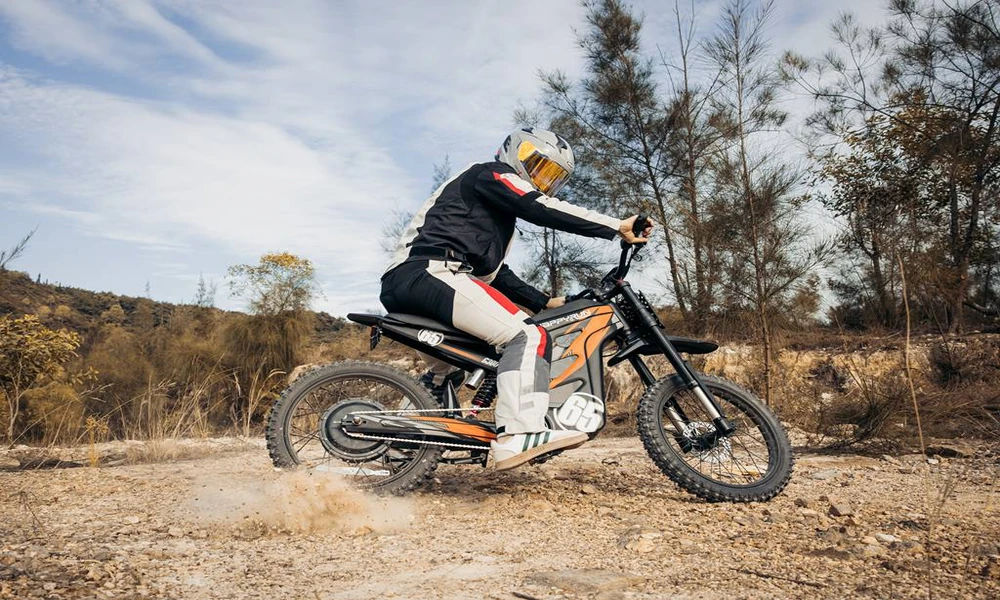
Owning a recreational vehicle can provide young riders with lessons that extend beyond learning how to operate it. A bike is a working machine that needs regular attention, and understanding this can introduce young people to practical responsibility. With appropriate adult supervision, routine ownership can teach them to inspect equipment, recognise changes, follow maintenance instructions, and understand that good mechanical condition requires consistent effort.
Instead of viewing maintenance as something that only happens when a problem appears, young riders can gradually learn that looking after equipment is part of ownership.
Learning To Inspect Before Riding
One of the most useful habits a young rider can develop is checking a machine before using it. A simple inspection can encourage attention to tyre condition, controls, visible fasteners, brakes, and other components identified by the manufacturer.
This routine teaches an important mechanical principle: problems are often easier to address when they are noticed early. Owners of Dirt Bikes can learn to recognise when something looks, sounds, or feels different from normal and report the issue to a knowledgeable adult rather than continuing to ride.
Over time, these inspections can become a natural part of preparing for recreational use.
Understanding That Machines Need Schedules
Young people may initially assume that mechanical equipment only needs attention when it stops working. Ownership provides an opportunity to replace this reactive mindset with scheduled care.
Manufacturers may specify inspections, adjustments, replacements, or servicing at particular intervals. Following these recommendations introduces riders to the idea of preventive maintenance.
The same principle applies to many other types of recreational machinery. Owners of Quad Bikes also need to understand that regular attention should be based on manufacturer guidance rather than waiting for obvious mechanical trouble.
Learning to follow a schedule encourages patience and consistency, two habits that can be useful far beyond vehicle ownership.
Developing Respect For Tools
Basic maintenance also introduces young riders to the correct use of tools. Even simple tasks can demonstrate why using the appropriate tool matters and why forcing a component is rarely a good solution.
Adult supervision is particularly important here. Young riders should only perform tasks suitable for their age, knowledge, and abilities, while complicated repairs should be left to qualified adults or technicians.
This approach allows mechanical curiosity to develop without creating the expectation that every repair should become a do-it-yourself project.
Recognising Different Maintenance Requirements
Another valuable lesson comes from discovering that not every machine requires the same type of care.
For example, Electric Quad Bikes introduce owners to batteries, charging procedures, electrical systems, and manufacturer-specified storage practices. Combustion-powered machines involve different systems and servicing requirements.
Seeing these differences can help young riders understand that responsible maintenance begins with learning about the specific machine they own. Assumptions based on another vehicle may not always apply.
Cleaning Becomes Part Of Inspection
Cleaning may appear to be mainly about appearance, but it can also encourage closer observation. Dirt and mud can make it harder to notice certain visible changes or damage.
When a young owner carefully cleans a bike after use, they naturally spend time looking at different areas of the machine. This can create opportunities to notice something unusual and bring it to an adult’s attention.
The process also reinforces the idea that equipment should be properly cared for after use rather than simply stored until the next ride.
Keeping Simple Maintenance Records
A small notebook or digital record can turn maintenance into an organised responsibility. Riders can record when inspections, professional servicing, or approved maintenance tasks were completed.
Keeping records helps demonstrate that mechanical care is an ongoing process. It can also teach young owners to rely on documented information instead of guessing when something was last checked.
Building Responsibility Beyond Riding
The most valuable mechanical lesson from dirt bike ownership may be understanding the connection between enjoyment and responsibility. Riding is only one part of having a machine. Preparation, inspection, cleaning, correct storage, and professional servicing when necessary are equally important parts of ownership.
With responsible adult involvement, young riders can develop habits that apply to many machines they may encounter later in life. They learn that mechanical equipment deserves attention and that proper care should never be replaced by guesswork.
These lessons can transform recreational ownership into a practical introduction to organisation, mechanical awareness, patience, and respect for equipment.
