

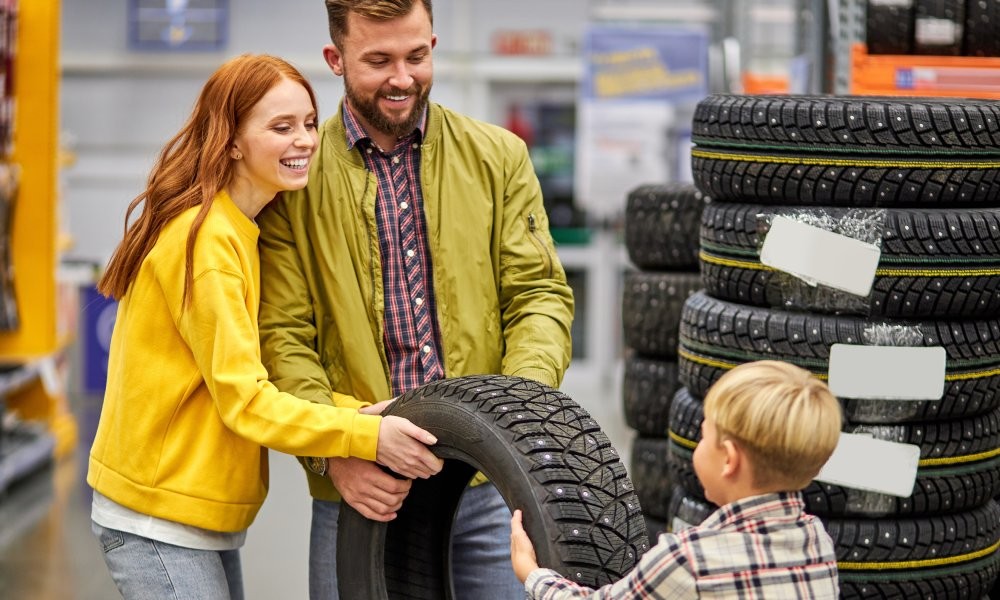
Finding a reliable tyre dealer nearby can save you from poor-quality tyres and unnecessary expenses. Whether you’re replacing tyres or dealing with a puncture, choosing the right seller makes a big difference. A good dealer doesn’t just sell tyres. They help you choose the right option and ensure proper installation for better performance and safety.
Verifying Dealer Authenticity
One simple way to check is by visiting brand websites like Michelin, MRF, or Eurogrip and using their dealer locator tools. This helps you confirm if the shop is officially recognised.
Official Dealer Verification Methods
Genuine tyre dealers display clear authorization certificates from manufacturers. Check these essential credentials:
- Proper billing with GST
- Brand authorisation displayed in-store
- Clear warranty support
- Willingness to show product details
Professional dealers help you register warranties immediately after purchase. They provide proper GST invoices and assist with online warranty activation, protecting your investment against manufacturing defects.
Warning Signs of Questionable Dealers
Some signs can indicate a dealer may not be reliable. Be cautious if:
- Tyre markings or serial numbers look tampered with
- Manufacturing dates are missing or unclear
- Only cash payments are accepted
- Prices seem unusually low without explanation
Technical Checks for Quality Assurance
Smart buyers know exactly what to examine before purchasing. Your safety depends on these critical checks.
Reading DOT Codes Correctly
Every tyre sidewall contains a four-digit DOT code revealing its manufacturing date. For example, “2224” means the 22nd week of 2024. Never purchase tyres older than two years – the rubber compound begins degrading regardless of storage conditions.
Tyre dealers should readily show you these codes without hesitation. Professional sellers maintain fresh inventory and rotate stock regularly.
Storage and Display Standards
Quality tyre dealers store products properly:
- Vertical positioning prevents deformation
- Cool, dry environments away from sunlight
- Temperature-controlled warehouses
- Regular inventory rotation systems
Professional Equipment and Services
The difference between amateur and professional tyre dealers shows in their equipment and service offerings.
Essential Workshop Equipment
Better-equipped shops typically have:
- Hydraulic or semi-automatic tyre changers with plastic-coated clamps
- Electronic wheel balancers suited to two-wheeler rims
- Torque wrenches for axle nuts and disc bolts
- Nitrogen filling equipment (useful for tubeless tyres)
Manual fitting with basic levers is still common in India and works fine in skilled hands, but careless levering can scratch alloy rims or damage the bead. For tubeless and alloy setups especially, proper machinery reduces risk and ensures a cleaner, safer fit.
Comprehensive Service Packages
Most reliable dealers offer complete services, including fitting, balancing, and basic checks after installation. These services are important for ride comfort and safety.
Choosing the Right Dealer Matters
Finding trustworthy tyre dealers requires careful evaluation of their credentials, equipment, and service standards. Check manufacturer websites for authorized sellers, verify DOT codes for freshness, and ensure proper installation equipment exists. Professional dealers provide transparent pricing, comprehensive services, and genuine products with valid warranties.
Quality manufacturers like Eurogrip support extensive dealer networks meeting strict service standards. Their authorized tyre dealers maintain professional equipment and offer complete installation services, ensuring your two-wheeler receives proper care. Remember – your safety depends on both tyre quality and professional installation.
