

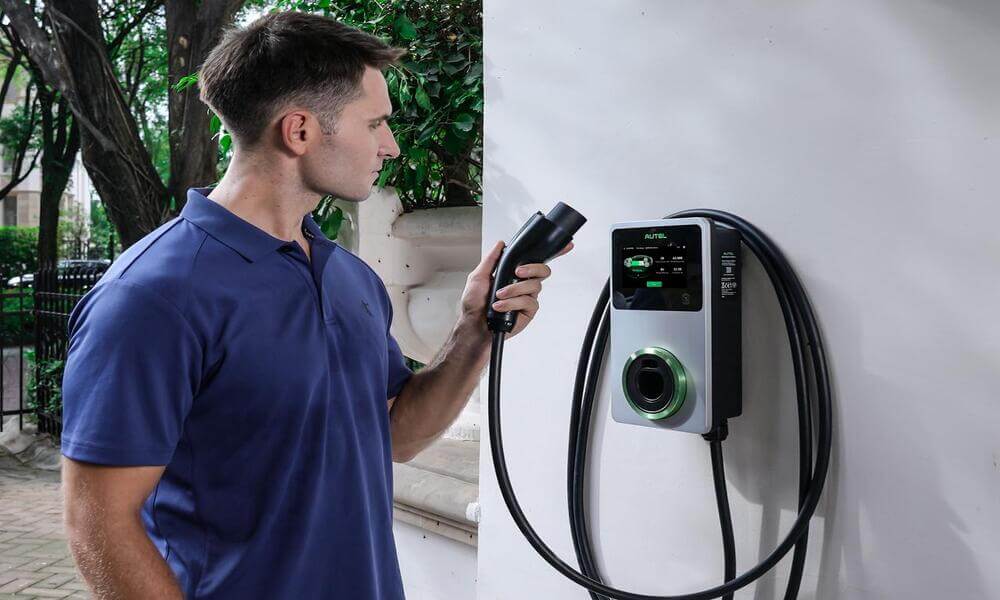
Electric vehicle adoption is accelerating across Canada, with zero-emission vehicles expected to reach 5 million by 2030. If you’re planning to install an EV charger at your home or business, understanding the installation requirements is essential before you begin.
In Canada, you must obtain an electrical installation permit before installing an EV charger, and the installation must be completed by a licensed electrical contractor in compliance with provincial electrical safety codes. Skipping these requirements puts your property, vehicle, and electrical system at risk. The process involves more than simply mounting equipment on your wall.
This guide covers the core requirements you need to meet, from permits and contractor qualifications to electrical specifications. You’ll also learn about available government incentives and programs that can offset your installation costs, plus advanced considerations for optimizing your charging setup.
As more drivers transition to electric vehicles, home charging has become a priority for convenience and reliability. A professionally completed EV Charger Installation Burlington ensures safe wiring, proper breaker sizing, and consistent overnight charging performance.
For homeowners exploring Electric Car Charger Installation Oakville, working with a licensed electrician helps ensure your panel capacity, load calculation, and grounding meet Ontario safety standards.
Essential EV Charger Installation Requirements in Canada
Installing an EV charger in Canada requires adherence to the Canadian Electrical Code, engagement of licensed electricians, proper permitting, and adequate electrical infrastructure to support your charging needs. Understanding charger types, outlet specifications, and panel capacity ensures a safe and compliant installation.
Canadian Electrical Code Compliance
All electric vehicle supply equipment (EVSE) installations in Canada must comply with CSA C22.1, the Canadian Electrical Code (CEC). This code establishes the minimum safety standards for electrical work across the country.
Your EV charger must carry a cUL or CSA certification mark to demonstrate it meets Canadian safety requirements. Non-certified equipment poses serious risks to your vehicle, home, and electrical system. The Canadian Electrical Code also mandates specific wiring methods, grounding requirements, and protection devices for charging installations.
GFCI breakers are typically required for EV charger circuits to protect against ground faults. Your installation must include proper overcurrent protection sized according to the charger’s amperage rating. All wiring and components must be rated for the load they will carry during charging sessions.
The CEC is updated regularly, so installations must meet the code version in effect at the time of your permit application. Your licensed electrician will ensure all aspects of your charging station comply with current electrical code requirements.
Licensed Electrician and Permit Obligations
You must hire a licensed electrician to install your home EV charger in Canada. Unlicensed installations violate provincial regulations and create serious safety hazards. Licensed electricians understand code requirements, proper installation techniques, and safety protocols for electric vehicle charging infrastructure.
Electrical permits are mandatory before installation begins. Your electrician will obtain the necessary permits from your local authority having jurisdiction. Installing a charger without proper permits puts your home and property at risk and may void your insurance coverage.
The permit process includes plan review and inspection by your provincial electrical safety authority. In Ontario, the Electrical Safety Authority (ESA) oversees compliance. Other provinces have equivalent regulatory bodies that enforce electrical safety standards.
Your electrician will coordinate inspections after installation to verify code compliance. Passing inspection is required before you can legally use your charging station.
Types of EV Chargers and Compatible Outlets
Level 1 chargers use a standard 120V outlet and deliver approximately 1.4 kW of power. Level 1 charging adds about 5-8 km of range per hour, making it suitable only for light use or emergency charging. No electrical upgrades are typically needed since these chargers plug into existing outlets.
Level 2 chargers operate at 240V and provide 3.3 to 19.2 kW of power depending on the unit. These home chargers deliver 20-100 km of range per hour, making them the preferred choice for residential installations. Level 2 charging requires a dedicated 240V circuit similar to what powers an electric dryer or oven.
Level 2 EV chargers typically require 40-50 amp circuits, though some models need 60 amps or more. Smart chargers offer features like scheduling, energy monitoring, and load management through mobile apps.
DC fast chargers (Level 3) are found at public charging stations rather than homes. DC fast charging delivers 50-350 kW and can charge vehicles in 20-60 minutes, but the equipment costs and electrical requirements make them impractical for residential use.
Dedicated Circuits and Electrical Panel Capacity
Your home EV charger requires a dedicated circuit that serves no other electrical loads. Sharing a circuit with other appliances creates overload risks and violates electrical code requirements. The dedicated circuit must be properly sized based on your charger’s maximum amperage rating.
Most Level 2 installations need 40-60 amp circuits with appropriately rated wire. Your electrician will perform a load calculation to determine if your electrical panel has sufficient capacity for the additional load.
|
Component |
Typical Requirement |
|---|---|
|
Circuit breaker |
40-60 amps |
|
Wire gauge |
6 AWG or 8 AWG copper |
|
Voltage |
240V |
|
Panel capacity |
200 amps minimum recommended |
If your panel lacks available capacity, electrical upgrades may be necessary. This can include upgrading your main service panel from 100 to 200 amps. Older homes with 100-amp service often require panel upgrades to accommodate EV charging alongside existing household loads.
Your electrician will assess the distance from your panel to the charging location. Longer wire runs may require larger gauge wire to minimize voltage drop and maintain safe operation.
Advanced Considerations and Incentives for EV Charging Installations
Installing EV charging infrastructure in Canada involves technical planning for electrical capacity management and understanding available financial support programs. Different installation scenarios require specific approaches, particularly when dealing with residential buildings that house multiple units.
Load Management and Energy Monitoring
Load management systems distribute available electrical capacity across multiple charging stations without requiring costly electrical service upgrades. These systems monitor real-time power consumption and dynamically allocate electricity to connected vehicles based on your facility’s total capacity.
You can implement networked charging solutions that communicate with your building’s electrical system to prevent circuit overloads. When multiple vehicles charge simultaneously, the system automatically adjusts the power delivery to each station.
Energy monitoring capabilities track charging sessions, electricity consumption, and associated costs. This data helps you identify usage patterns and optimize your charging operations. Many networked chargers provide detailed reports through web-based dashboards or mobile applications.
Smart charging features allow you to set charging schedules during off-peak hours when electricity rates are lower. Some systems integrate with utility demand response programs that offer additional cost savings.
EV Charger Rebates and Funding Programs
The Zero Emission Vehicle Infrastructure Program (ZEVIP) provides funding for public charging stations across Canada. This federal program supports the installation of Level 2 and DC fast charging equipment in public spaces, workplaces, and multi-unit residential buildings.
Provincial programs supplement federal incentives with additional rebates. British Columbia, Quebec, and Ontario offer specific programs that reduce installation costs for residential and commercial applications.
Canada’s Electric Vehicle Home and Workplace Charging Program provides rebates up to $750 for residential installations. Workplace charging installations can receive higher rebate amounts depending on the number of charging ports installed.
You must maintain public charging equipment for at least five years after installation to remain eligible for most government incentives. Application requirements typically include site plans, electrical assessments, and proof of equipment certification.
EV Readiness and Multi-Unit Residential Installations
EV readiness planning prepares your building’s electrical infrastructure for future charging demand without immediate full installation costs. This approach involves installing conduit, panel capacity, and rough wiring to designated parking spaces.
Multi-unit residential buildings face unique challenges including shared electrical services, parking assignments, and cost allocation among residents. Many provinces now require new construction to include EV charging capacity or infrastructure preparation.
You can implement a phased approach by installing energized outlets or basic charging equipment initially, then upgrading to networked stations as demand increases. Strata corporations and condominium boards must establish policies for charging access and cost recovery.
Electrical capacity assessments determine how many charging stations your existing service can support. Buildings with limited capacity benefit from load management systems that maximize the number of charging points without service upgrades.
